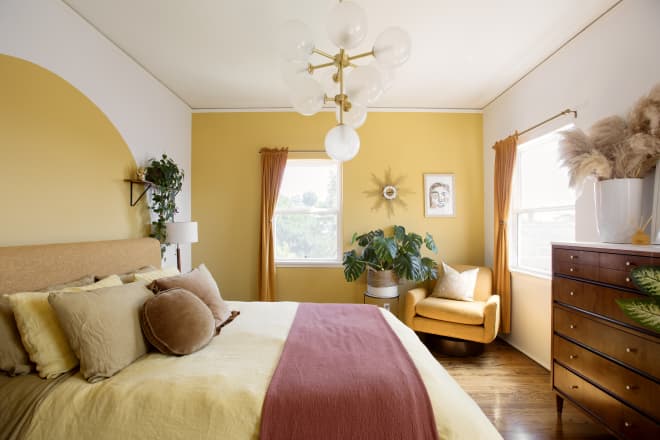
Facebook
 X
X
 Pinterest
 Copy Link
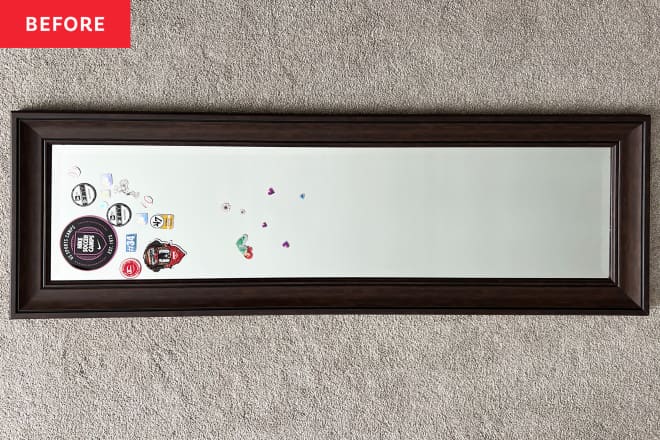
See a “Blah” Brown Mirror Become a Stylish Statement Piece for $12
12 Flower (and Plant!) Delivery Services Perfect for Valentine’s Day Gifting
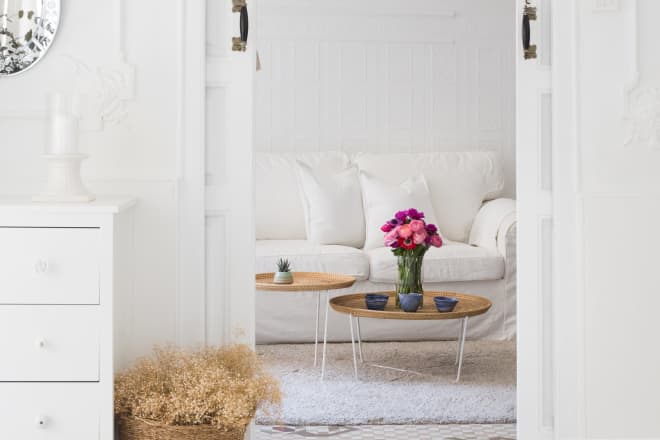
THIS is where to shop for Instagram-worthy arrangements this year.
READ MORE… | BidBuddy.com
The 15 Best Kitchen Faucet Brands of 2024
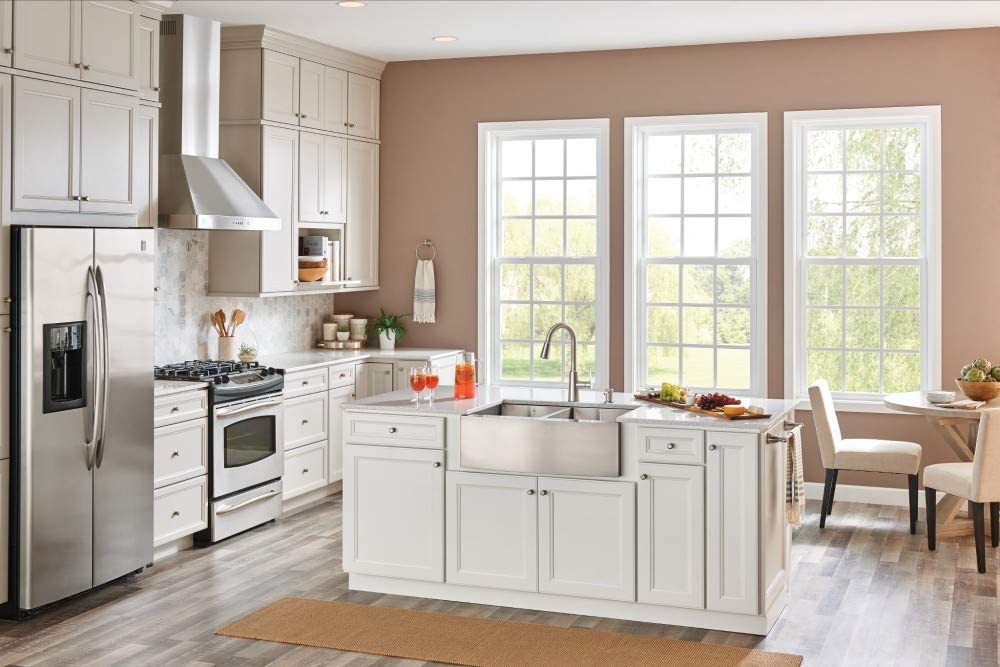
Whether the project is a new build, a major renovation, or a simple kitchen update, knowing the best kitchen faucet brands helps get the job done right. | BidBuddy.com
Kitchen of the Week: ‘Cotswold Charm and Japanese Simplicity’ in New Jersey
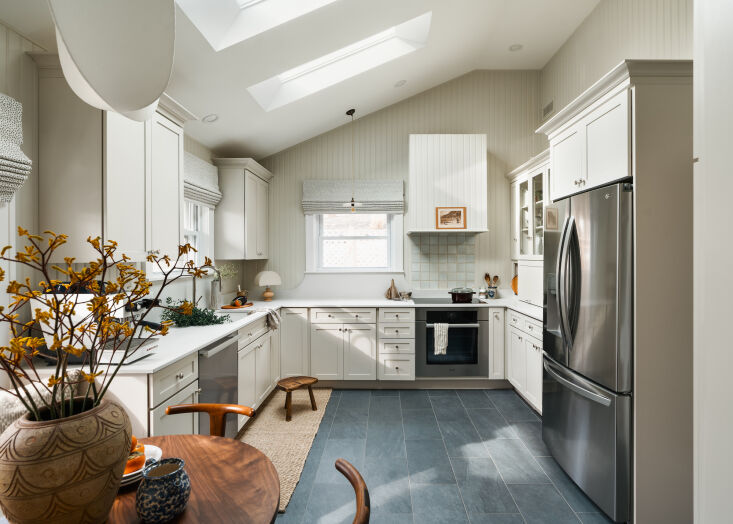
Interior designer Hollie Velten-Lattrell, of SPACES by Hollie Velten, has a unique of getting to know her clients. She doles out a deck of cards with prompts like “I left my heart in . . . ” and “The first thing I do in this space is . . . ” to sleuth out what what makes their souls soar and how they live their lives. The process is part investigative and part intuitive. “Some of the questions also create a sensorial story,” says Hollie. “We have a tray that represents how they answer cues around sight, sound, taste, hear, and touch in our concept meeting. We listen to a custom playlist while we design.”
By the time clients have completed all of her onboarding requests, she has everything she needs to deliver a highly personalized redesign. For this sweeping kitchen remodel for a young couple in Maplewood, NJ, Hollie honed in on their love for “Cotswold charm” and “Japanese simplicity.” The two spent much of Covid lockdown in the English countryside (he is British) and both are drawn to Japanese design. Additionally, Hollie was inspired by the show-and-tell objects they brought to their design meeting, another of her get-to-know-you assignments; he chose his Leica film camera for its simple functionality and she selected a cherished glazed Majorca pottery vessel for its timeless, rustic appeal.
Hollie and her design director, Victoria Bailey-Adamson, absorbed all these personal details and poured them into a thoughtful redesign of their clients’ small suburban kitchen. They installed beadboard walls and traditional cabinetry for a cottage kitchen look; they commissioned a banquette that channels the simplicity of Japanese millwork; they improved the room’s functionality and augmented its storage; and they focused on unfussy, enduring materials in natural tones.
Below, Hollie walks us through the newly transformed room.
Photography by Thomas Leonczik, courtesy of SPACES by Hollie Velten.
Above: The former kitchen felt dark and heavy (scroll to the bottom for the before image). The cure: new skylights from Velux and a light, neutral palette courtesy of Farrow & Ball. The walls are painted in Shadow White; the trim, in Wevet. “It took us a few attempts to land on the wall color for the right layered mushroom feel,” says Hollie.
Above: Speckled Clé tiles from its Eastern Elements collection form the backsplash behind the stove. The flooring is composed of slate-like porcelain tiles.
Above: Caesarstone, in Fresh Concrete, was chosen for the countertop and backsplash. The clients wanted something easy to clean but with character. Note the curved backsplash, a signature SPACES design move and, in this case, intended “to temper the industrial engineered workhorse sensibilities with something soft that shows hand,” says Hollie.
Above: Every inch of the compact kitchen was designed with storage in mind. This hardworking corner includes a glass-fronted hutch, two appliance garages, and a nook for small cutting boards.
Above: The clients, expecting their first child when the project began, wanted their kitchen to be the heart of the home. Hollie designed the banquette with that request in mind. RBW’s Mori Pendant hangs over the Marin Pedestal Table by Hedge House and Oxbend Chairs by Fernweh. (N.B.: The project wrapped up just in time for the newborn’s arrival.)
Above: The clients wanted to be able to look out onto their garden without others looking in—hence, the Roman shades, for which Hollie chose a sweet Hizakura cherry blossom pattern from Robert Kime.
Above: Floor-to-ceiling pantry cabinets and the banquette flank the doorway to the home’s entry, which Hollie and her team redesigned with hexagonal Pantry Pavers, in Sand, from Clé.
Above: Like the shades, the cushions reference Japanese design. They are upholstered in Zak+Fox’s outdoor Nawa fabric “woven with thick cording in a chevron formation.”
Before
Above: Prior to the renovation, the space was dark and dated.
For more of Hollie’s work, see:
* Kitchen of the Week: English Country Charm in a NJ Suburb (Plus the Prettiest Pantry)
* From Chaos to Calm: A 900-Square Foot House Reimagined for a Family of 4
* Studio Visit: California Style in an East Coast Enclave | BidBuddy.com
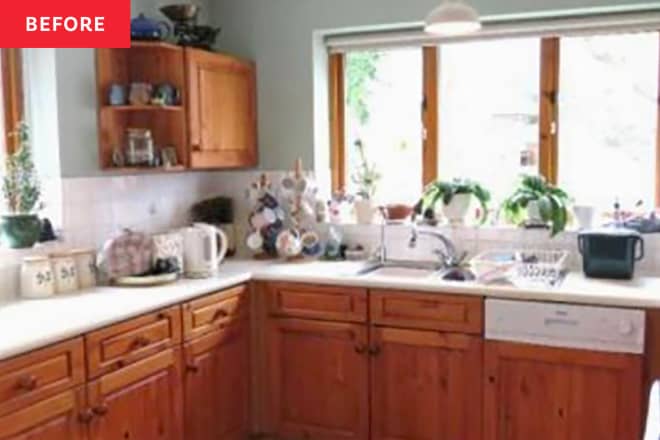
See How This “Bland” ‘90s Kitchen Got a Forest-Glam Redo (for $130!)
This $13 Set of Bow Napkin Rings at H&M Home Looks Like a “Piece of Art”

Perfect for the coquette girls, but they’re also lovely Galentine’s Day decor.
READ MORE… | BidBuddy.com
Why You May Want to Update (And Even Sell) Your House Now, if You’re a Baby Boomer
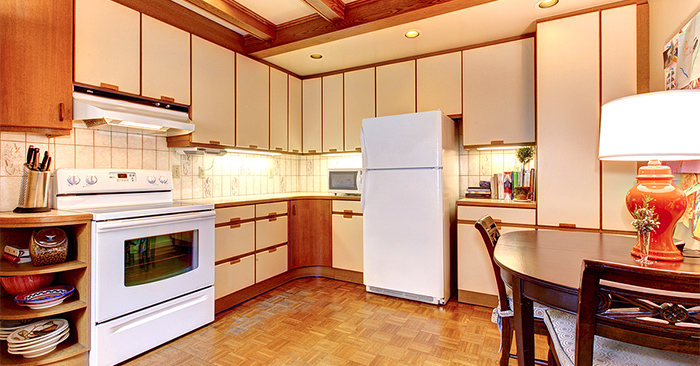
If you’re a Baby Boomer, there’s a good chance you own a house that people in younger generations would love for you to sell, but there’s also a good chance that you have no intention of moving.
According to a recent study by Morning Consult, 79% of Boomers polled said they had no need to move, and don’t plan on doing so. Considering many in that generation are living longer, healthier lives, and own their houses outright, they’re quite comfortable staying put.
But if you fit that profile, you may at least want to consider doing some renovations….
The study also revealed that Boomers haven’t updated their houses in many years, and they have very little intention of doing any updates in the coming years. Nearly 70% of them own houses that are over 30 years old, and have never done renovations or replaced major appliances, and they have no plans to make any type of home improvements.
There are plenty of reasons why Boomers might not want to, such as:
* To avoid the stress. Home renovations are often disruptive to live around, and the process can be less than fun when dealing with contractors and delays.
* They don’t want to “waste” the money. Despite many Boomers having a lot of equity in their home, and possibly savings, they might not want to spend money unless they feel it’s necessary.
* They feel their home is fine just the way it is. People get used to living in the condition their house is in, and might even like the look and feel of it and have no desire for a change.
* They might not realize their house isn’t updated. When people think about a house that hasn’t been updated in decades, images of 1970’s shag carpet and faux-wood paneling might come to mind, but 30 years ago is actually just the 1990’s. Even if a kitchen or bathroom was updated in the early 2000’s, those updates are almost a quarter century old, even if it feels like it wasn’t all that long ago to a homeowner who has lived in the home for decades.
Younger Buyers Would Like You to Update Your Homes
Younger home buyers would appreciate two things from the Baby Boomer generation:
* Sell your houses sooner than later.
* Update them before putting them on the market.
According to a recent article in REALTOR Magazine, younger buyers (particularly Millennials) are concerned that they’re going to be stuck having to renovate the homes of Boomers… once they finally get the opportunity to buy them, that is.
They’re concerned that they won’t even be able to afford the renovations, considering that house prices are already stretching their budgets as far as they can go, so they’d like Boomers to do it before they sell.
It’s easy to understand why they feel that way, but it’s not really fair to expect Boomers to do anything about it, either. The Baby Boomer generation living in their houses longer may very well be a reason why younger people are lacking options and affordability, but it’s certainly not any one Boomer’s responsibility to solve an overall housing crisis by updating their home and selling it. As the saying goes, it’d be a drop in the bucket.
Everyone has a right to live how they want to live. If you’re a Boomer and you’re happy and comfortable living in your home just the way it is for years to come, then why should you do any updates or renovations to your house?
Well, perhaps because it’s a great opportunity that you might miss out on if you wait.
But You Might Want to Update It for Your Own Benefit
When will the majority of Baby Boomers sell their houses? It’s anyone’s guess, really. Year after year there are predictions that it’s going to happen soon, but it never seems to happen to any large extent.
But one thing’s for sure, at some point, a whole lot of Boomers will be selling their houses at the same time, and the odds are it’ll impact their ability to get their house sold as quickly, or for as much money as one who sold before a huge wave of them decided to sell.
There’s been such a shortage of houses for sale for so long that it’s easy to forget that supply and demand have a huge impact on real estate values. Since there haven’t been enough houses to satisfy the demand, it’s been easy for Boomers to get their houses sold quickly and for top dollar, without having done one bit of updating or renovations.
But if enough Boomers start to sell their houses at the same time, not having an updated house could certainly impact how much you get for your house, how long it’ll take to sell, and even if it’ll sell at all.
With that in mind, here are some reasons to update your home, and ideally sell it sooner than later:
* An increase in supply of houses for sale could cause home prices to dip, which could impact your equity and ultimately your net worth, which you may be counting on to fund your retirement or living expenses as you age.
* If you wait and it becomes necessary to update or renovate in order to compete with other sellers, getting the work done could become more difficult if there is more demand in an already strained home improvement industry.
* Even if you have little or no competition, updated homes sell faster, and typically for more money.
However, before you dive into any updates, consider speaking with a local real estate agent you trust. It may just make more sense for you to sell your house as-is now, than go through the effort and expense of making the improvements.
Depending upon where you live, and the price range your home is in, there’s a good chance you could have a lot of demand, and even multiple offers for your house, without doing an ounce of work, which could save you a lot of money, time, and stress.
A knowledgeable agent can help you assess the current market value of your home, the demand for it, and advice on what (if anything) you should renovate or update before listing your home for sale, whether it’s now, or in the future.
The Takeaway:
The majority of Baby Boomers have no intention of selling their home anytime soon, nor do they plan on doing any updates or renovations to their home before they do eventually sell. On the other hand, younger buyers, particularly Millennials, would not only like them to sell their homes sooner than later, but they’d like them to update their houses as well.
It’s not any one Boomer’s responsibility or concern to address the lack of inventory for younger buyers, or their desire for an updated house. However, updating (and possibly selling) could benefit a Baby Boomer who acts now, rather than waiting for a wave of other sellers in that generation to hit the market, creating more supply and competition.
The post Why You May Want to Update (And Even Sell) Your House Now, if You’re a Baby Boomer appeared first on Lighter Side of Real Estate. | BidBuddy.com
10 Easy Pieces: Natural, Non-Toxic Mattresses

We sleep on our mattresses approximately 3,000 hours per year. We’d rather not spend those restorative hours slumbering amid a cocktail of petrochemicals, flame-retardants, carcinogens, and formaldehyde-containing adhesives. In the past, options for a natural, non-toxic mattress were a little grim: a lumpy cotton futon, limited options in terms of comfort, or a rather unaffordable (although we did include this in our list) handmade horse hair mattress fit for royals. Today, more companies are turning their efforts toward natural, non-toxic materials and receiving certifications from reputable third-party organizations. Our findings are cross referenced with research done in our latest book, Remodelista: The Low-Impact Home, and agencies like the Environmental Working Group (EWG).
Safer Mattress Materials
* Wool
* Natural Latex
* Cotton
* Coconut Fiber
* Polylactide
* Kapok
* Linen
* Horsehair
* Buckwheat
Less Safe Mattress Materials
* Polyurethane
* Polyethylene
* Biofoam or soy foam
* Rayon
Third-Party Certifications from Trusted Nonprofits
CertiPUR-US: A certification that applies only to polyurethane foam mattresses to guarantee the materials are free of formaldehyde, flame retardants, prohibited phthalates, and heavy metals and contain low levels of volatile organic compounds (VOCs). Note that CertiPUR-US applies only to the foam portion of the mattress.
Global Organic Latex Standard (GOLS): benchmark in organic latex that is 95 percent or more organic
Global Organic Textiles Standard (GOTS): leading processing standard for organic textiles and fibers that are 95 percent or more organic and meet stringent environmental standards
MADE SAFE: a seal for products passing the rigorous screening of over 6,500 known or probable harmful substances
[Editor’s note: While we’ve done our best to research the issue using credible sources, we are not scientists, doctors, or environmental toxicity experts. Details on certifications and materials used within mattresses change often and may have changed since this article’s publication date. We welcome any additional constructive insight in our comments section below.]
Above: Naturepedic was founded in 2003 by environmental engineer Barry A. Cik who continues to manufacture Naturepedic mattresses with the full slate of certifications and endorsements. The mattresses are certified with GOTS, GOLS, FSC, MADE SAFE, UL/GREENGUARD (formaldehyde and VOC-free), Organic Content Standard, Organic Trade Association, Green America, Health Product Declaration, Certified Vegan, and PETA-Approved Vegan. The Concerto Organic Pillow Top Mattress is a latex hybrid mattress made of cotton, wool, latex, encased support coils, and high-density microcoils; $2,799 at Naturepedic.
Above: Happsy presents a non-toxic mattress that is manufactured by Naturepedic at a more affordable cost and ships as a bed-in-a-box. The mattress is entirely certified organic and made of wool batting, latex, cotton, and pocketed springs. The mattress is certified with Organic Content Standard 100 (OCS), GOTS, MADE SAFE, GOLS, FSC, GREENGUARD, Green America, and Zero Toxics. The Happsy Organic Mattress is $1,399.
Above: Seattle-based Soaring Heart offers handmade mattresses on-site made of organic latex with wool mattress toppers. The mattresses are USDA Organic and certified with GOLS, GOTS, and Organic Trade Association. The Tamarack Bed, shown here, is a natural latex mattress with a wool topper; $4,127 at Soaring Heart.
Above: Avocado makes latex hybrid mattresses of GOLS-certified latex, GOTS-certified cotton and wool and is certified MADE SAFE. The Eco Organic Mattress is $1,169 at Avocado.
Above: “When my ship comes in I long to sleep like the Swedish royal family on a Hästens bed,” says Justine in our previous post 10 Easy Pieces: Editors’ Favorite Mattresses. Handmade with horsehair, cotton, wool, flax, pine, and springs, the Vividus model shown here is available through Hästens dealers.
Above: The Wool Room’s Classic Wooly Mattress is made with 100 percent traceable British wool filling, pocket coils, and merino wool; $1,170 at Wool Room.
Above: Birch by Helix mattresses are made from natural latex and organic wool and are certified with GOTS and GREENGUARD and by the eco-INSTITUT of Germany. The Birch Luxe Natural Mattress is $2,599 at Birch.
Above: Coco-Mat mattresses are made of layers and layers of natural latex, coconut fiber, seaweed, horsehair, and cactus fiber. Mattresses are also Oeko-Tex 100 certified and do not use PBDE flame retardants. Shown here is the Coco-Mat Epicurus Mattress.
Above: Obasan mattresses are GOTS and GOLS certified organic and made with cotton, rubber, and wool out of their own factory in Canada.
Above: While Saatva uses only about 30 percent plant-based foams, the remainder of the foam mattress is standard foam but is made without fiberglass or flame retardants opting for a plant-based pulp flame barrier instead. Their foams are also CertiPUR-US certified.
For more mattress material, see our posts:
* 10 Easy Pieces: Editors’ Favorite Mattresses
* Sleep Disrupters: 14 Upstart Mattress Companies
* Domestic Science: How to Clean a Mattress
* Linen Logic: 20 Tips for Taking Care of Your Bedding | BidBuddy.com
How to simplify rent collection for both landlords and tenants

Rent collection is essential for your portfolio’s financial stability and profitability. Ryan Barone shares strategies to simplify it for you and your renters. | BidBuddy.com